

Governing During a Deficit Is Hard. Mayor Owens Deserves Credit for Meeting the Moment.
May 8th 2026
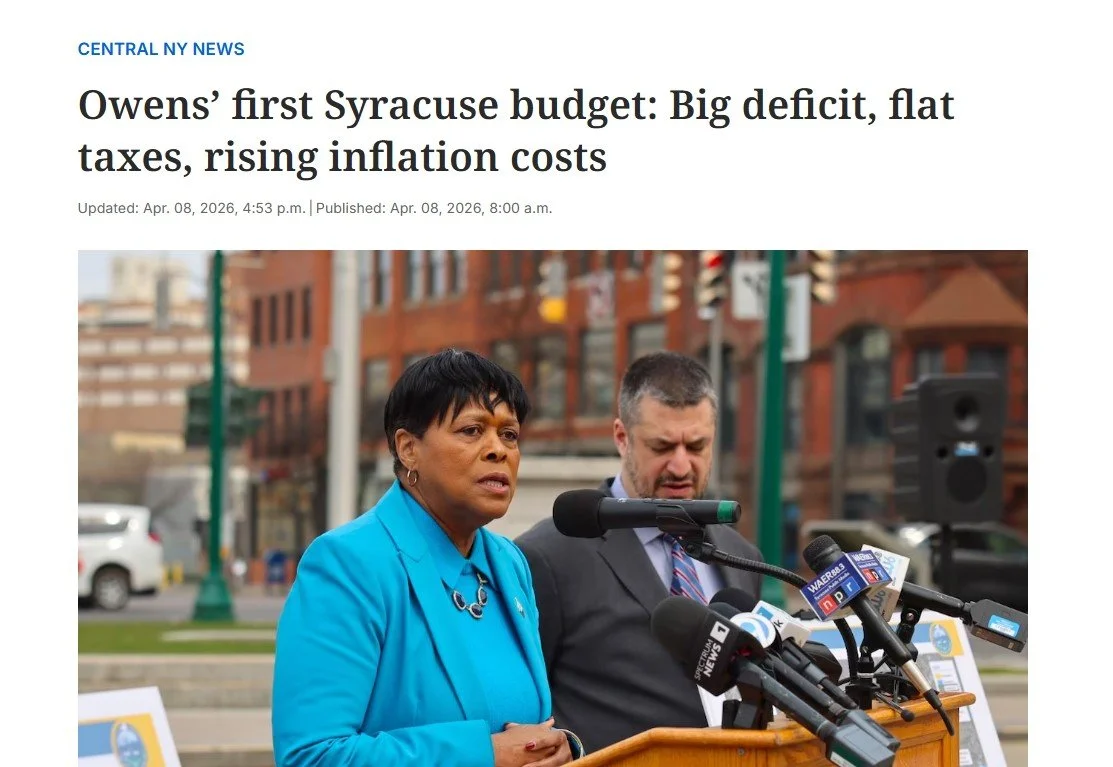
Budget season often brings out the easiest kind of politics. Some people demand more services while pretending budgets are unlimited. Others call for cuts without being honest about what those cuts would actually mean for working families. Too often, budget season becomes political theater instead of what it should be: a serious conversation about how government delivers services while staying financially responsible. That is why I want to give credit to Mayor Sharon Owens and her administration for how they’ve handled their first city budget. They inherited a difficult financial situation and have approached it with a level of realism that deserves recognition.
The City of Syracuse is facing a real budget deficit while also dealing with rising inflation, increased labor costs, and the growing cost of maintaining basic city services. Everything is more expensive right now. Infrastructure projects cost more. Public works costs more. Insurance costs more. Staffing costs more. These are real pressures that local governments across the country are facing as federal relief dollars disappear and the cost of governing continues to rise.
But Syracuse also faces a challenge that makes its financial situation even more complicated. Roughly half of the parcels in the city are tax exempt, which significantly limits the city’s ability to generate property tax revenue. Major institutions like Syracuse University and large hospital systems such as SUNY Upstate Medical University and St. Joseph's Health occupy valuable real estate while contributing little or no property tax revenue because of their tax exempt status. These institutions are important anchors in our community, but it creates a difficult reality for city government when so much prime land is removed from the tax rolls while residents are still expected to carry the burden of funding essential services like police and fire.
What stands out about this budget is that the administration did not respond by panicking, and they did not respond by shifting the burden onto residents. Instead, Mayor Owens proposed a budget that keeps property taxes flat while still addressing the city’s financial realities. That matters in a city where many residents are already stretched thin by rising rents, housing instability, and stagnant wages. For seniors on fixed incomes and working families trying to stay afloat, avoiding a tax increase is meaningful.
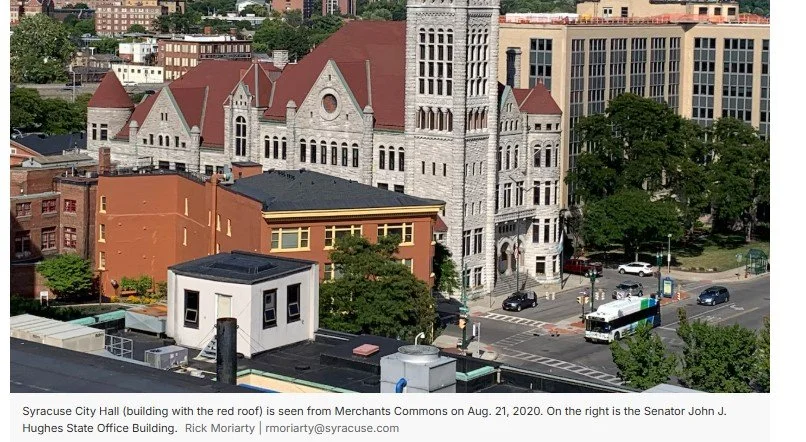
That does not mean every line item should avoid scrutiny. The Syracuse Common Council has a responsibility to review the budget and make adjustments where necessary. That is how government should work. But there is a difference between thoughtful oversight and unnecessary dysfunction. Recent reporting noted that this year’s budget process has been far less dramatic than previous years, and that is a positive development. Residents deserve stability. They deserve competence. They deserve elected officials focused on governing rather than creating chaos.
As someone who helps oversee county finances, I understand how difficult these conversations can be. Counties often have more flexibility than cities when it comes to revenue options, and even then budgets are rarely easy. Cities are expected to maintain roads, respond to neighborhood concerns, invest in public safety, and improve quality of life while operating with fewer tools. That reality is exactly why state government needs to do more to support municipalities like Syracuse. It is also one of the reasons I’m running for the New York State Assembly.
Local government can only do so much when larger structural issues remain unresolved. We need stronger state investment in housing, infrastructure, and public transportation so cities are not constantly forced to choose between raising taxes and cutting services. Until those larger reforms happen, local leaders still have to make difficult decisions in real time. On this budget, Mayor Owens made difficult decisions while keeping residents in mind, and she deserves credit for that.
Did Mayor Sharon Owens raise taxes in her first budget?
No. Mayor Sharon Owens proposed a budget that keeps property taxes flat despite the city facing a significant deficit.
Why does Maurice Brown support this budget?
Maurice believes this budget reflects fiscal realism. It avoids unnecessary tax increases while acknowledging the real financial pressures facing city government.
What role should New York State play in helping Syracuse?
New York State Assembly and state leaders can help cities like Syracuse by investing more in housing, infrastructure, and public transportation so local governments are not forced into impossible financial decisions.
Does Bill Magnarelli have an opinion on the Syracuse City Budget?
Assemblyman William Magnarelli does not have an official stance on the Syracuse city budget