

Central New York Cannot Afford Cuts to SUNY ESF
May 8th 2026
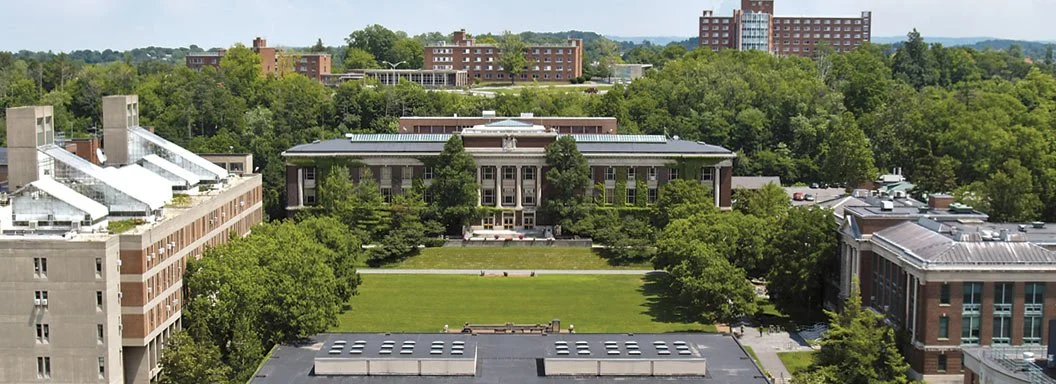
When people think about higher education, they often think in broad terms: enrollment numbers, tuition costs, graduation rates, and whether a school is “worth it.”
But SUNY ESF is not just another college.
SUNY College of Environmental Science and Forestry is one of the few institutions in the country built specifically around environmental science, forestry, conservation, environmental engineering, watershed management, and sustainability. That specialization matters. It matters even more that this institution exists right here in Central New York.
At a time when communities across the country are competing for industries, talent, and innovation, we already have something incredibly rare in our backyard: a nationally recognized institution dedicated to training the people who protect our natural resources and solve environmental problems.
That should be viewed as an asset worth expanding, not shrinking.
Recent conversations about state and federal cuts impacting research and environmental work should concern all of us because the value of ESF goes far beyond its campus boundaries. It directly impacts how New York protects its land, water, and future workforce.
While I’m told that roughly 60 percent of employees at the New York State Department of Environmental Conservation are graduates of ESF, I was unable to verify that exact figure. What is verifiable is that ESF has long served as a major pipeline into environmental careers across New York State, including conservation, forestry, engineering, environmental regulation, and public service roles. Many graduates stay in New York and many stay in Central New York.
That workforce pipeline is critical right now. Because whether people support the Micron Technology project or not, we need to be honest about the environmental stakes tied to a development of that scale. The Micron project represents one of the largest economic development projects in our region’s history.
It also represents the one of the greatest threats to our regions freshwater in the history of our region. The project presents serious long-term questions about water usage, wastewater management, wetlands protection, infrastructure strain, and environmental oversight.
On the county legislature, as a member of the Environmental Protection committee I have tried to be as diligent as possible when reviewing the environmental impact of the $500,000,000 wastewater treatment plant, but just that project has shown me that elected officials are WAY out of their league trying to comprehend the environmental impact of this project. SEQRA, wetlands, runoff, there are very few human beings who know enough to make informed decisions on these matters, even fewer of them are elected officials. These decisions can have catastrophic consequences for our region, if we don’t have as many exports in the game as possible.
That is not fearmongering. That is reality. If Central New York is going to navigate that responsibly, we need more environmental scientists. More engineers. More experts in wetlands preservation. More professionals focused on wastewater treatment. More people trained to protect drinking water.
Not fewer.
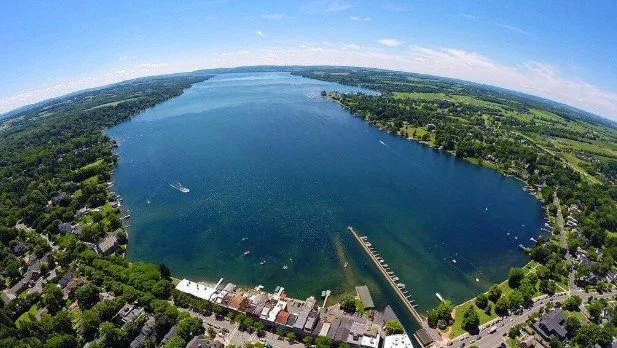
This region is defined by water.
Skaneateles Lake provides drinking water to the City of Syracuse. The Finger Lakes are an environmental treasure and major driver of tourism and recreation. Lake Ontario remains one of the most important freshwater resources in the entire country. These waterways are not guaranteed forever. They require stewardship. They require expertise. They require people who understand the science behind protecting them.
That is exactly what ESF produces.
Even if Micron was never coming to Clay, I would still believe New York should be investing in ESF because, despite what 45/47 says, climate change, conservation, clean water, and environmental resilience are only becoming more urgent, and there is no planet b. But with Micron coming here? The argument for local investment becomes even stronger.
If we are serious about economic development, then we must be equally serious about protecting the natural resources that make this region livable in the first place. Central New York should not be forced to choose between economic growth and environmental protection.
We need both.
Institutions like SUNY ESF make both possible. That’s why now is the wrong time to cut funding. It is time to protect what makes this region special and invest in the people who will protect it for generations to come.
There is an action you can take if you agree with me. You can send an e-letter to Gov. Kathy Hochul urging her to support an $10 million increase to SUNY ESF’s funding. I feel everyone in Central New York should be comfortably on one side of this issue. In terms of pollution, if Skaneateles Lake becomes Onondaga Lake, we are all in trouble.
This is a small step you can take, but it is yet another reminder of why we need state officials who understand the urgency of the moment we’re in and are not afraid to meet the moment and act when our community needs us the most.

Me, biking the Erie Canal Path at sunset
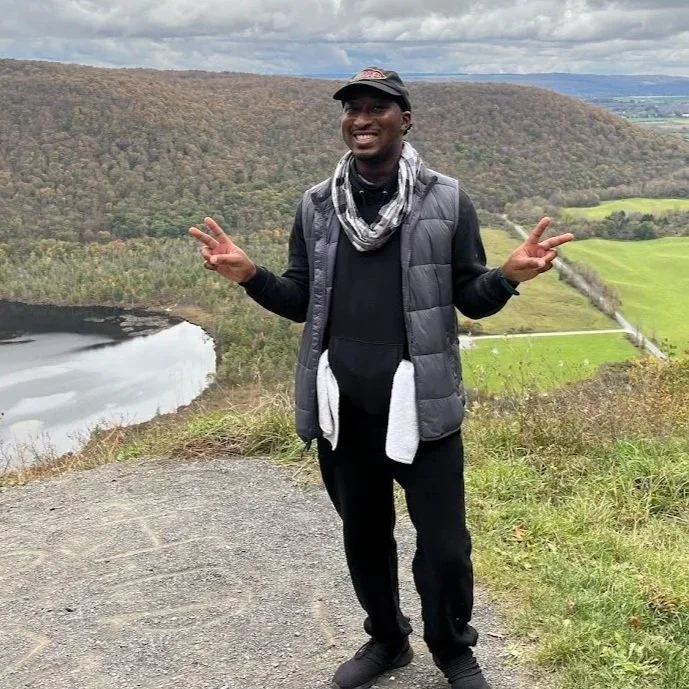
Me, Standing at the Top of the Hang Glider Launch at Labrador Hollow.

Why is SUNY ESF important to Central New York?
SUNY ESF is one of the few institutions in the country focused specifically on environmental science, forestry, conservation, and environmental engineering. It helps train professionals who protect New York’s natural resources.
How does SUNY ESF support environmental jobs in New York?
Many SUNY ESF graduates go on to careers in environmental protection, conservation, engineering, and public service roles throughout New York State.
What does Micron have to do with SUNY ESF?
The Micron project will bring major economic development to Central New York, but it also raises important questions about water usage, wastewater treatment, wetlands protection, and environmental oversight.
Why are Central New York waterways important?
Resources like Skaneateles Lake, the Finger Lakes, and Lake Ontario are critical to drinking water, tourism, recreation, and the region’s environmental health. Maurice Brown believes New York should strengthen institutions like SUNY College of Environmental Science and Forestry as environmental challenges and infrastructure demands continue to grow.