

What’s Going On in Onondaga County, My Campaign, and Why It Matters - Mo Brown's April 24th Update
April 24th 2026
There’s been a lot happening over the past couple of weeks. Some of it is happening at the county level, some of it is happening on the campaign, and some of it is just life moving fast in the middle of all of this.
I wanted to take a moment to walk through all three.
What’s Going On at the County
If you’ve been following the news, the aquarium conversation has really escalated.
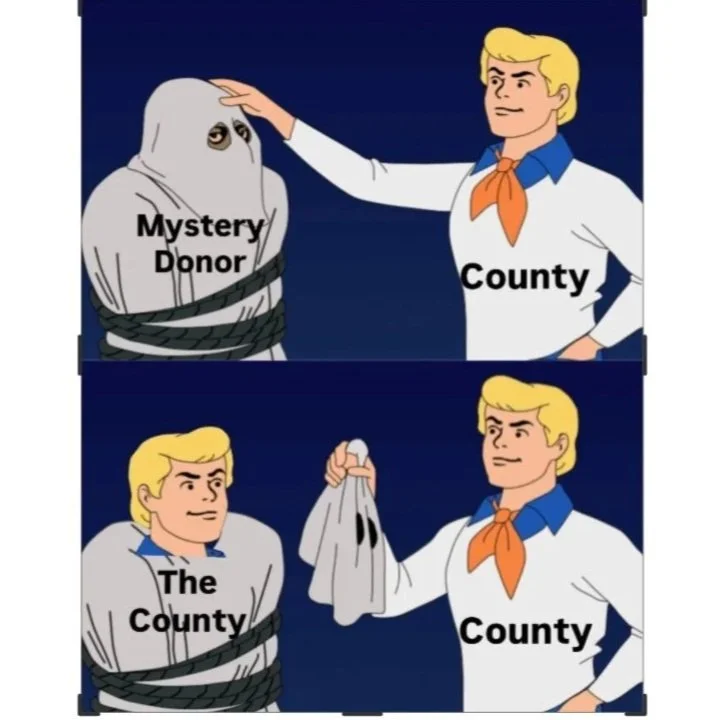
It started with reporting that a “secret donor” connected to the aquarium project was actually Onondaga County itself. That raised immediate concerns about transparency and whether public dollars were being routed in a way that avoided clear public accountability. For a lot of legislators, myself included, that moment shifted the conversation from general unease to very specific questions about how this project is being handled. That led directly to calls from our Democratic Caucus for more oversight of donations tied to the aquarium. The core issue here is simple. If public money is involved, directly or indirectly, then the public deserves to know how it’s being used and who is making those decisions. The lack of clarity has created real tension between the legislature and the executive’s office.
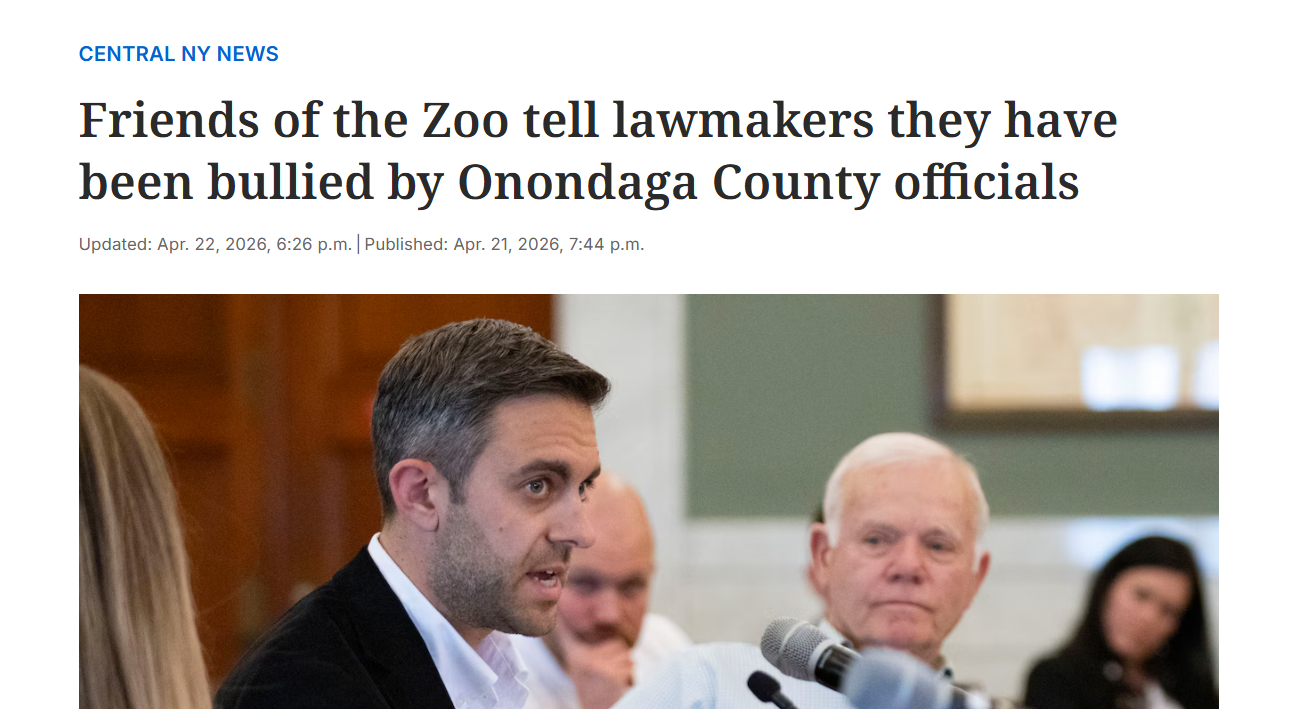
Then things escalated even further when the nonprofit supporting the zoo came to our facilities committee meeting and said they were being pressured to donate one million dollars towards funding to the aquarium. They described changes to agreements and financial pressure that they felt put their organization at risk. County leadership within the Executive’s office pushed back on that characterization, but the situation became public and contentious very quickly. I didn’t attend this facilities meeting, but I watched on the County Legislature’s Youtube channel, if you haven’t yet, I’d recommend you do so yourself.
Then just as quickly, things started changing. Within a day, there was a meeting, and both sides moved to reset the relationship. On the surface, things cooled down. But the underlying concerns about transparency, pressure, and decision making have not gone away. All of this is happening while the cost of the project continues to grow and while more and more people are asking basic questions about whether this is the right investment for our community.
Lately, I’ve been feeling a little nostalgic watching all of this play out. It’s hard not to think about Mary Kuhn and what she would be saying right now. Because if we’re being honest, she’d probably be taking the “I told you so” victory lap of a lifetime.
Back in 2022, when this aquarium was still being pitched as a bold economic development project, she was already raising the exact questions we’re all debating today. She kept bringing it back to the fundamentals. Is this financially responsible? Is this the best use of taxpayer dollars? And are we being transparent with the public? What’s striking now is how closely those concerns line up with what we’re seeing today. The conversation hasn’t really changed. It’s just gotten louder.
What’s Going On With the Campaign
At the same time, the campaign has been moving forward on multiple fronts.
There’s also been a broader conversation around affordability and infrastructure, including a proposal from my opponent, Assemblymember Bill Magnarelli to add a $25 annual fee for upstate drivers to help fund public transit. I’ll be honest, I think investing in public transportation is necessary, and asking car owners to contribute to that system makes sense in principle. Our transit systems need real support.
At the same time, this approach raises a real concern. A flat $25 fee hits working and middle class families the hardest, especially at a time when every dollar matters. In today’s economy, that extra cost is not nothing. So while I would support this bill as it stands, I also think we should be asking a bigger question. Are we funding critical infrastructure in a way that is fair, or are we defaulting to solutions that put more pressure on the middle class instead of asking more from those who can afford it?
If I were writing this policy, I’d be looking for ways to protect working families while still making the investment we need, whether that’s through a more progressive structure or by shifting more of the burden to those at the top. Because we can support public transit without making affordability worse for the people already feeling it the most.
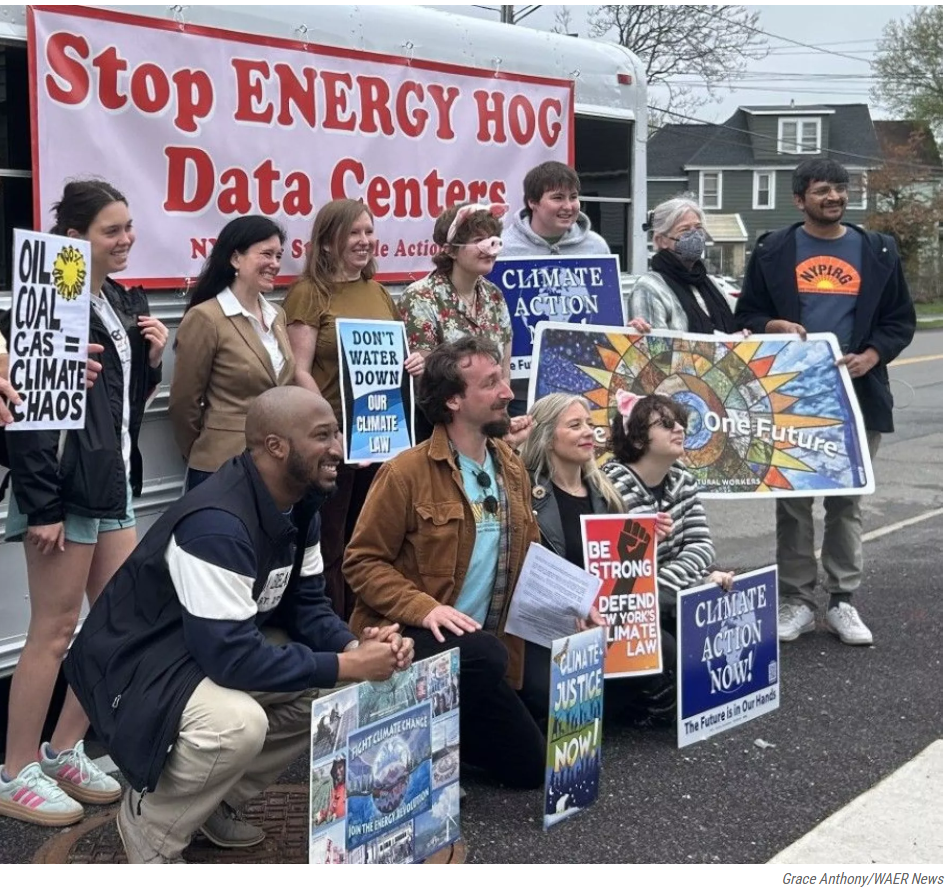
We’re also seeing larger conversations about energy and development. When the “Energy Hog” bus tour stopped in Syracuse, it highlighted concerns about large scale data centers and their impact on energy usage, utility costs, and environmental sustainability. These are the kinds of issues that are only going to grow, and they’re directly tied to affordability as well. I want to write a separate piece on ways we differ with the proposed Data Center Moratorium being one of them.
On the ground, our campaign is continuing to do the work. We’ve been out canvassing with the Affordability Slate, having real conversations with voters across the community. That direct engagement matters. It’s how you build trust, and it’s how you understand what people are actually dealing with day to day. We’re also creating spaces for people to connect in different ways. Events like our trivia night with the Working Families Party are about building community around the campaign, not just asking for votes. We want people to feel like they’re a part of something, not just observing it from the outside. If you’re around on May 5th, come celebrate my birthday with me at Trivia!
Alongside all of that, I’ve been meeting with organizations like the New York State Nurses Association, StreetsPAC, and IBEW Local 43. These conversations are important. They’re about policy, but they’re also about building a coalition that can actually govern and deliver results.
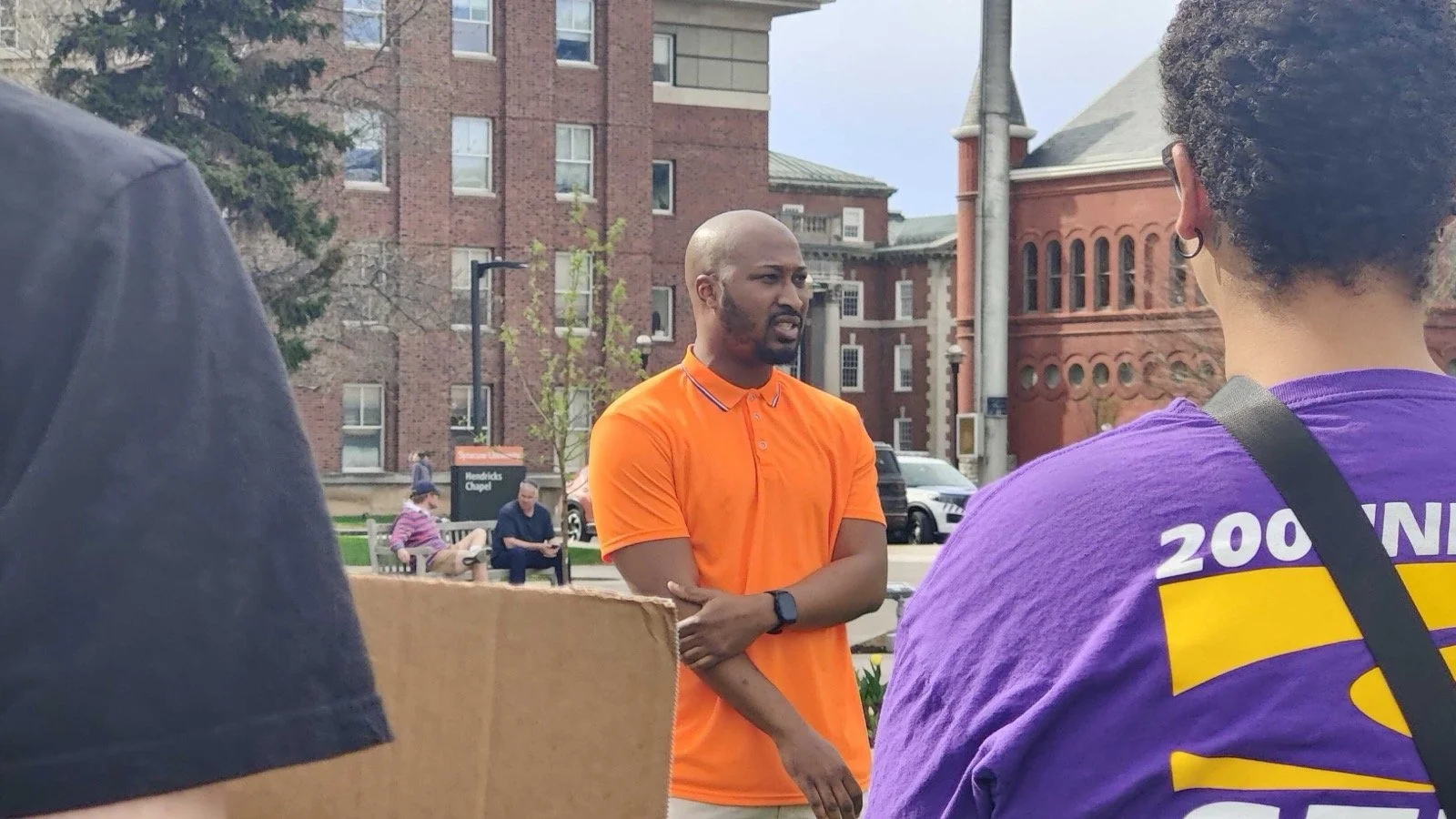
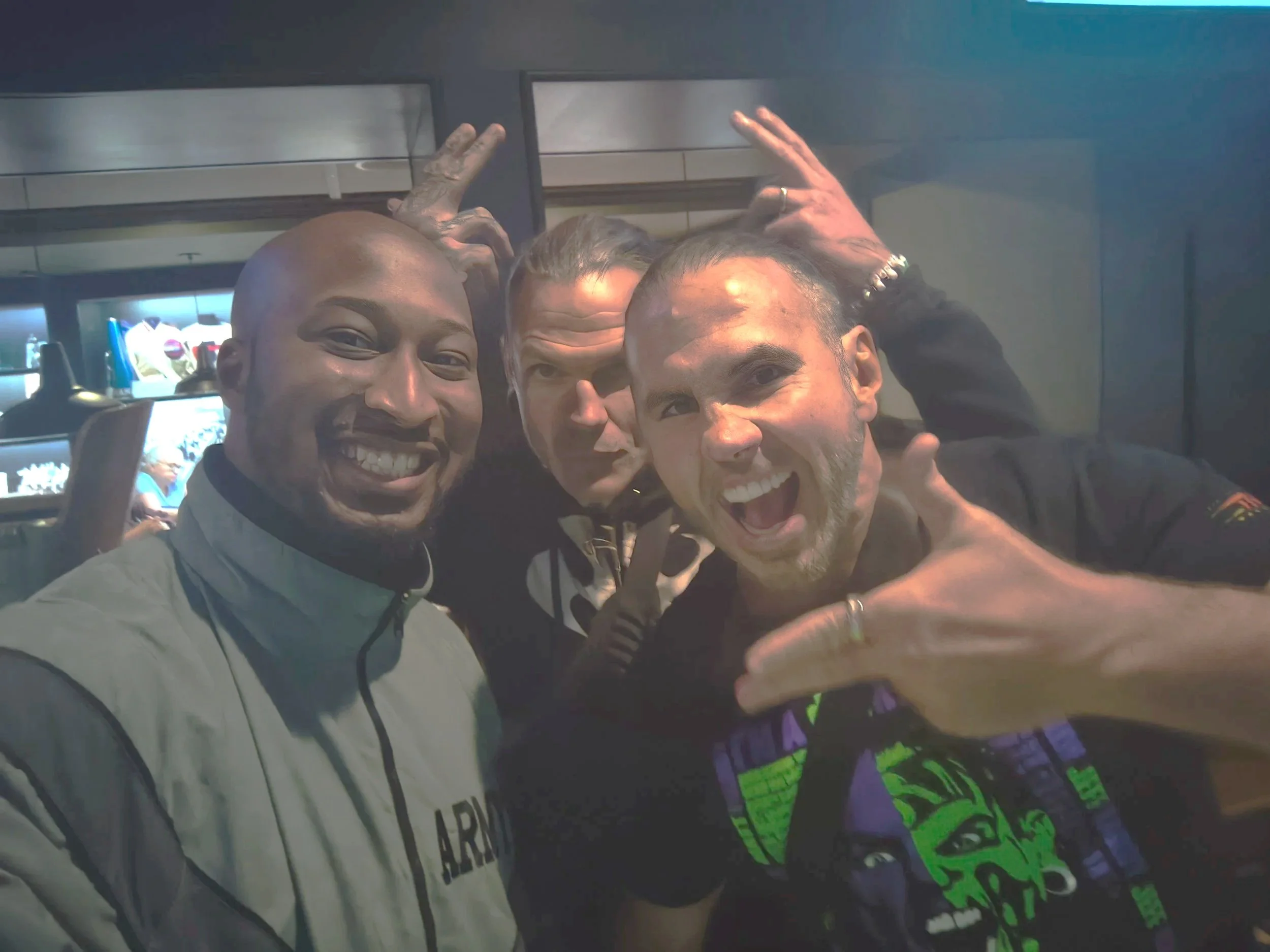
I’ve had so many events, and meetings, I want to take space to highlight some of the one’s I’ve attended. I helped kickoff Black Maternal Health week at Cafe Sankofa, I spoke at a demonstration for increased worker unionization (see the header above), and I got to meet Matt and Jeff Hardy aka the Hardy Boys who were in town when TNA came to the Oncenter earlier this month. I think I might do a separate piece just acknowledging all the great work being done in our community.
What’s Going On for Me Personally
On a personal level, it’s been a mix of everything.
The New York Knicks playoff run has definitely been part of the energy lately. It’s been fun to have something to lock into outside of the campaign, even if it comes with so much stress. Currently we’re down 2-1 versus the Atlanta Hawks, but both of our losses were decided by only 1 point. Still stressed, but optimistic we will turn it around.
At the same time, I’ve been dealing with real life stuff too, including having to figure out a new phone situation while trying to stay fully connected to everything. Anyone who’s been through that knows it’s not ideal timing when you’re in the middle of a campaign. If you reached out to me between April 10th 2026 and April 22nd 2026, I apologize, and blame T-Mobile.
I also had one of those moments recently that puts everything in perspective. While working on my friend Andy Mager’s supporter statement, I stumbled across an old clip from 2016 of a Bernie Sanders march that he and I attended here in Syracuse.
And it really made me stop and think.
Less than ten years ago, that kind of movement energy felt new. Even with the crowds and the excitement, openly identifying as a democratic socialist in Syracuse politics was not something people did casually. It wasn’t the norm. Now, we’re in a moment where those same ideas have moved into the mainstream of local conversations. They’re shaping campaigns. They’re shaping policy discussions. And now, we’re looking at the real possibility of someone who openly aligns with those values representing our community in Albany. That shift didn’t happen overnight, but it happened faster than most people expected, myself included.
Where We Go From Here
All of this, the county conversations, the campaign work, the personal moments, it’s all connected. People are paying attention. They’re asking harder questions. And they’re looking for leadership that is transparent, accountable, and focused on what actually matters in their lives.
If you’ve been following along and you support what we’re building, one of the most helpful things you can do right now is submit a statement of support. It takes about five minutes, and it helps us tell the story of this campaign through the voices of the people who have been apart of my journey. There’s space for you to share your perspective, your experience, and why this campaign matters to you. Those statements don’t just sit on a page. They become part of how we communicate this movement to the broader community.
If you’re willing to take a few minutes to do that, it would go a long way. Also, I’d be really thankful, which is nice as well.
Again, thank you for following my journey and campaign, this will be a career defining, life defining moment for me and as stressful as it is, it’s so rewarding, and I’m glad I get to serve this community in this capacity. Can’t wait to see what’s next.
Let’s Get to Work
What is happening with the Onondaga County aquarium project
Lawmakers are asking for more oversight because of unclear donor disclosures and concerns that public money may be involved without full transparency. The goal is to ensure accountability and rebuild public trust.
Does Maurice Brown support taxing the wealthy?
Yes. Maurice believes the ultra wealthy and large corporations must pay their fair share so working families are not forced to carry the burden alone. New York can fund housing, childcare, and healthcare without cutting essential services.
What is the Affordability Slate?
The Affordability Slate is a group of Syracuse political candidates focused on issues like housing, cost of living, and economic stability. The campaign is centered on grassroots organizing and direct voter engagement.
How is Maurice Brown different from the Bill Magnarelli?
After nearly three decades of the same representation, Maurice believes the district needs urgency and accountability. He offers a clear affordability first agenda and a willingness to challenge corporate interests.